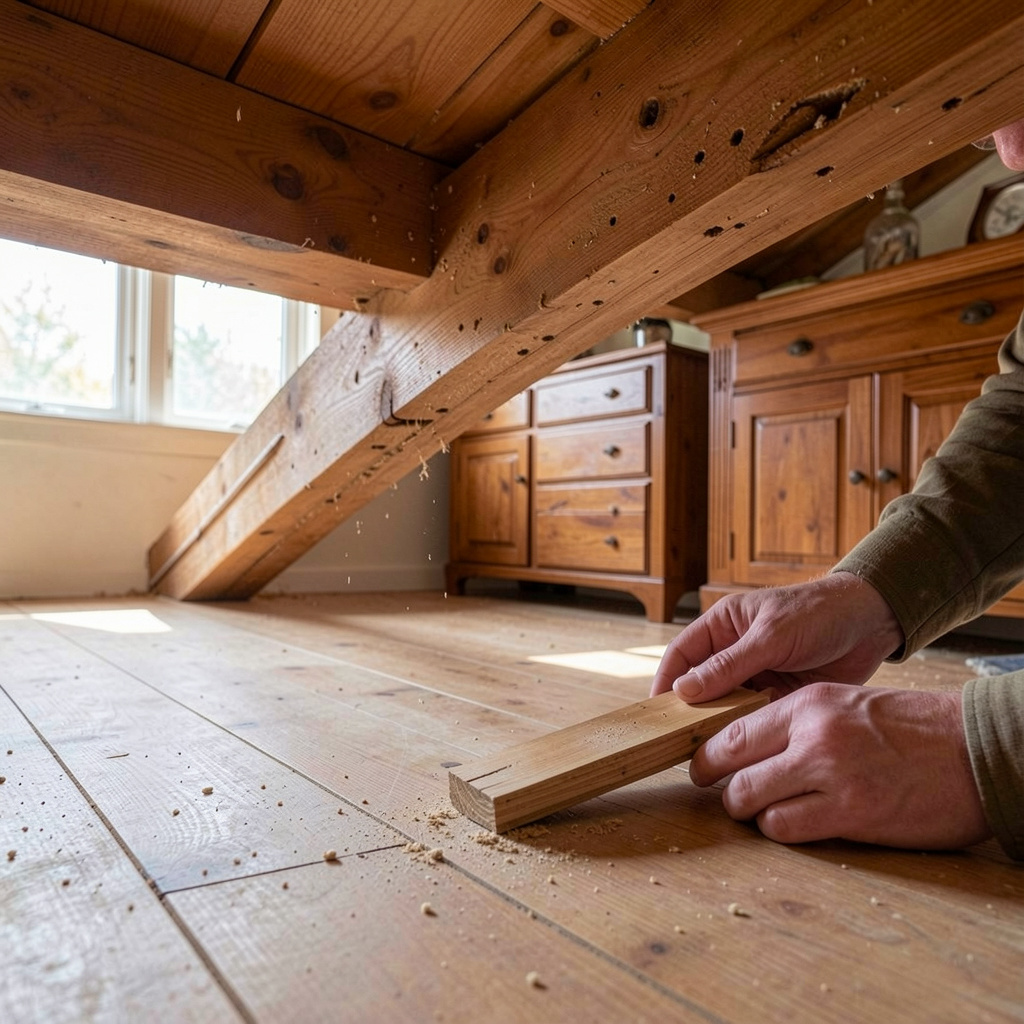
Wood is one of the most valuable materials used in homes. From roof beams and flooring to furniture, fences, decking, and structural supports, timber adds warmth, strength, and long-term value to a property. However, because wood is a natural material, it requires proper care and protection to stay durable over time.
Unfortunately, many homeowners unintentionally make mistakes that leave timber vulnerable to moisture, woodworm, termites, mold, cracking, and structural damage. Small problems are often ignored until repairs become expensive and difficult to manage.
The good news is that most wood damage is preventable. By understanding the most common wood protection mistakes, homeowners can avoid unnecessary repairs and keep timber stronger for many years.
Many homeowners researching timber care through shashel.eu/ understand that prevention and regular maintenance are essential for long-term wood durability.
In this guide, we will explore the most common wood protection mistakes homeowners make and how to avoid them.
Ignoring Moisture Problems
One of the biggest mistakes homeowners make is:
Ignoring moisture
Why Moisture Causes Damage
Damp timber becomes vulnerable to:
- Mold
- Woodworm
- Rot
- Structural weakening
Common Moisture Sources Include
- Roof leaks
- Plumbing leaks
- Condensation
Even small moisture problems may create major damage over time.
Dry wood naturally lasts longer.
Many homeowners exploring timber care through shashel.eu understand that moisture control is one of the most important parts of wood protection.
Skipping Regular Inspections
Many homeowners only inspect wood after visible damage appears.
Why This Is a Problem
Hidden damage often develops quietly.
Areas Worth Checking
Inspect:
- Roof beams
- Floorboards
- Furniture
- Wooden walls
Warning Signs Include
- Tiny holes
- Powdery dust
- Cracks
Routine inspections prevent larger problems.
Consistency matters.
Delaying Small Repairs
Small problems often become expensive repairs later.
Common Examples Include
- Tiny cracks
- Loose wood joints
- Weak boards
Why Fast Repairs Matter
Minor damage may grow over time.
Early action helps prevent:
- Structural problems
Prevention saves money.
Poor Ventilation
Healthy airflow matters more than many homeowners realize.
Why Poor Ventilation Causes Problems
Humidity builds up in hidden spaces.
This increases risk of:
- Mold
- Damp timber
- Woodworm
High-Risk Areas Include
- Attics
- Crawl spaces
- Basements
Healthy airflow protects timber naturally.
Dry spaces matter.
Ignoring Hidden Areas
Many timber problems begin in concealed spaces.
High-Risk Hidden Areas Include
- Roof spaces
- Ceiling joists
- Crawl spaces
Why This Mistake Matters
Damage often spreads unnoticed.
Routine inspection improves prevention.
Never overlook concealed timber.
Forgetting Outdoor Wood Maintenance
Outdoor timber faces constant exposure.
Areas Often Forgotten
- Decking
- Fences
- Wooden stairs
Why Outdoor Care Matters
Weather may increase:
- Cracking
- Moisture damage
Routine maintenance improves durability.
Healthy timber lasts longer.
Ignoring Early Woodworm Signs
Small warning signs often get ignored.
Common Early Signs Include
- Tiny holes in wood
- Powdery dust
- Weak timber
Why This Is Dangerous
Woodworm damage continues quietly.
Fast treatment improves protection.
Early action matters.
Many homeowners researching timber care through shashel.eu understand that early woodworm detection helps avoid expensive structural repairs.
Not Fixing Roof or Plumbing Leaks Quickly
Water damage often starts small.
Why This Matters
Leaks increase moisture exposure.
Common Problem Areas Include
- Roof systems
- Pipes
- Gutters
Fast repairs reduce timber damage risk.
Healthy drainage protects wood.
Using the Wrong Treatment Method
Not every wood problem needs the same solution.
Why Correct Treatment Matters
Different problems require different approaches.
Examples include:
- Moisture control
- Pest treatment
Professional advice improves results.
Balanced solutions work best.
Assuming Strong Wood Needs No Maintenance
Some homeowners believe durable timber protects itself.
The Reality
Even strong wood needs:
- Inspection
- Maintenance
Why This Matters
Small damage still develops over time.
Healthy timber requires care.
Consistency improves durability.
Forgetting Indoor Humidity Control
Indoor conditions affect timber health.
Why Humidity Matters
Too much moisture may encourage:
- Mold growth
- Timber swelling
Helpful Solutions Include
- Better ventilation
- Humidity control
Balanced indoor conditions support healthier wood.
Overlooking Furniture Maintenance
Wooden furniture also needs care.
Common Mistakes Include
- Ignoring tiny holes
- Delaying repairs
Why Furniture Matters
Hidden infestation may spread.
Routine care improves lifespan.
Healthy furniture lasts longer.
Common Prevention Tips
Keep Timber Dry
Dry wood discourages damage.
Inspect Regularly
Routine checks catch problems early.
Improve Ventilation
Healthy airflow matters.
Repair Small Problems Quickly
Fast action prevents larger repairs.
Consistency protects timber.
Long-Term Benefits of Avoiding Mistakes
Protecting timber properly offers many advantages.
Benefits Include
- Longer wood lifespan
- Lower repair costs
- Better structural safety
- Improved property value
Healthy timber protects the entire home.
Prevention saves money.
Conclusion
Many wood protection problems happen because homeowners unknowingly ignore moisture, delay repairs, skip inspections, overlook hidden spaces, or fail to maintain ventilation. While these mistakes may seem small at first, they often lead to expensive timber damage over time.
Recognizing warning signs early, keeping timber dry, maintaining healthy airflow, and repairing small problems quickly are some of the smartest ways to protect wood long term.